
Why Vacuum Drying & Impregnation Matter for Power Capacitor Reliability
Manufacturing process · Updated 2026-09-21 · 3 min read
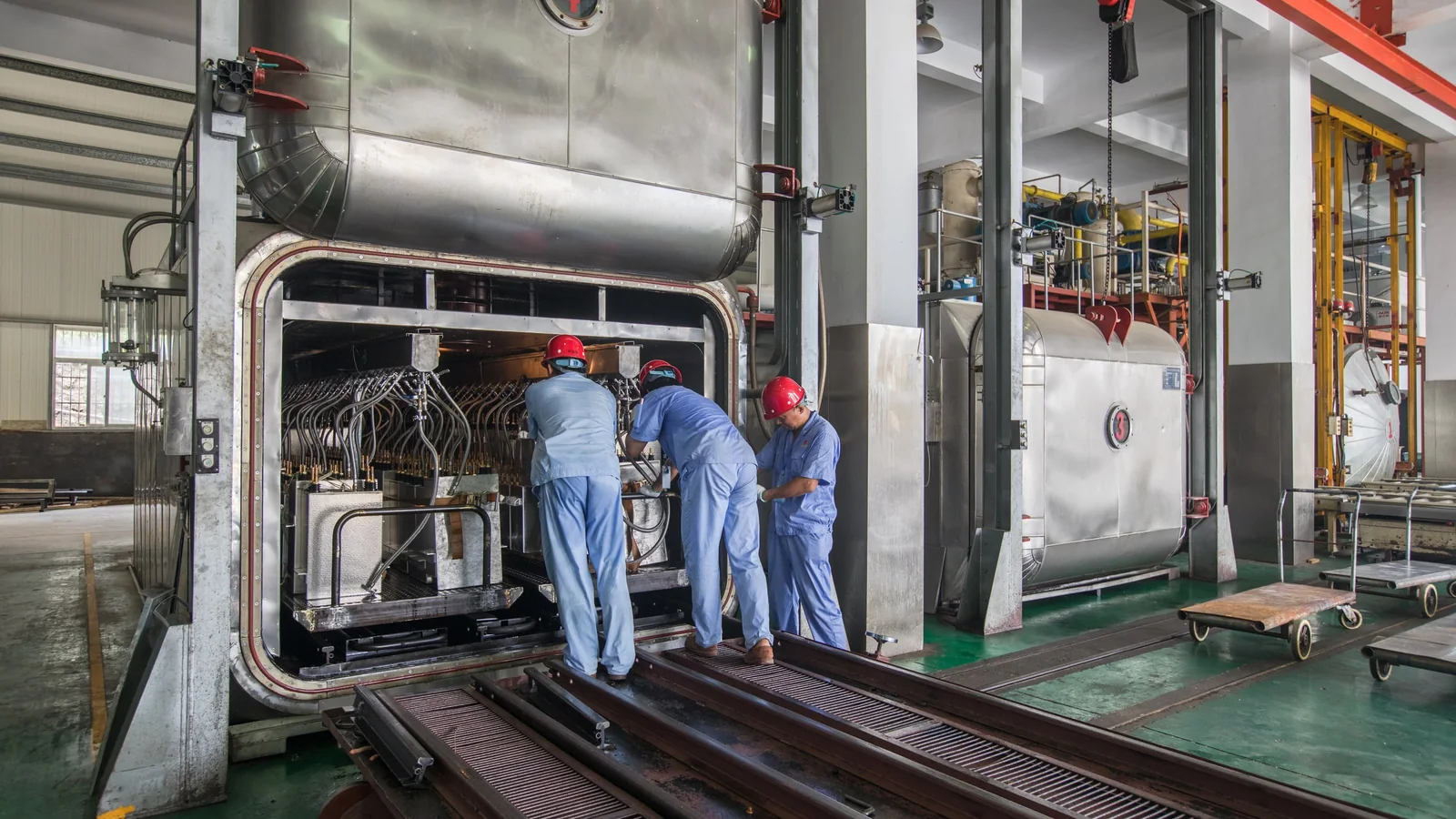
Why must moisture and air be removed?
A capacitor element is made by tightly winding dielectric film and electrodes. At a microscopic level, however, small amounts of moisture or air can remain at material interfaces. Under a high electric field, these become potential weak points in the dielectric system.
Moisture can increase dielectric loss and affect insulation resistance and capacitance stability. Small air-filled voids may also allow partial discharge to occur. Partial discharge does not always cause immediate breakdown, but repeated activity can accelerate insulation ageing over time.
Before the capacitor is sealed, the aim is therefore to remove as much moisture and air as practical and replace the spaces between layers with a properly conditioned impregnant.
How do drying and impregnation work together?
The two steps form one continuous process. Vacuum drying removes unwanted material; vacuum impregnation fills the space it leaves behind.
Drying without complete impregnation can still leave voids between layers. Equally, an impregnant containing moisture, particles or dissolved gas can introduce new weaknesses. Element drying and impregnant conditioning must therefore be managed as parts of the same controlled process.
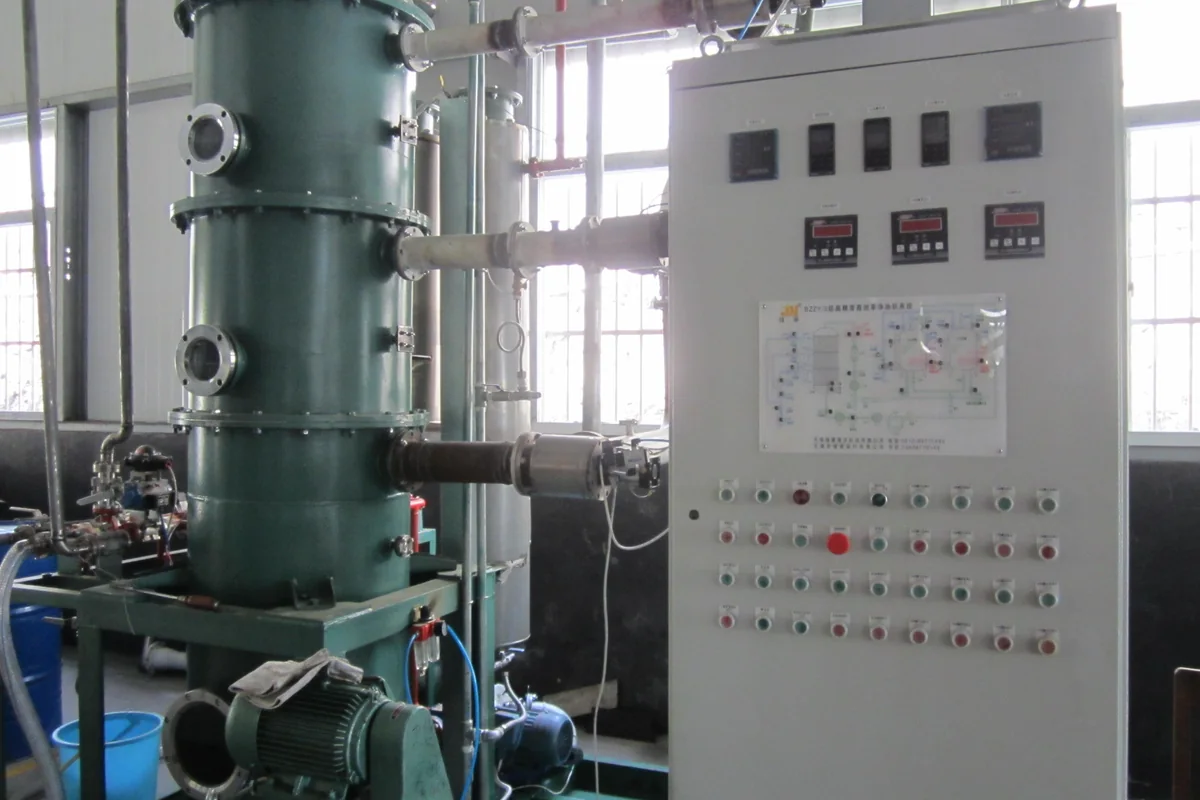
What does this process achieve?
Effective vacuum drying and impregnation help create a more uniform dielectric environment inside the capacitor. Their main contributions are to:
- reduce weak points caused by moisture and gas-filled voids;
- support low dielectric loss and stable capacitance;
- improve heat transfer from the element toward the enclosure;
- reduce the risk of progressive insulation damage caused by partial discharge.
This does not mean that a single headline vacuum value proves product quality. What matters is that drying, impregnant conditioning, filling, penetration and sealing form a repeatable process, with conditions validated for the capacitor construction being manufactured.
Vacuum drying and impregnation are only one part of capacitor manufacturing, but they directly influence the final condition of the dielectric system. Future articles in this series will look separately at film winding, element connection, sealing and electrical testing.